Uncategorized
How Psilocybin Therapy Works for Depression
Feb
What Is Psilocybin Therapy | How Psilocybin Therapy Works for Depression
Psilocybin therapy combines psychotherapy with a controlled dose of Psilocybin — the naturally occurring compound found in certain mushrooms.
Unlike recreational use, this therapy takes place in a medically supervised setting and includes:
- Screening and preparation sessions
- A monitored dosing session
- Follow-up “integration” therapy
The goal is not simply symptom relief during the experience, but long-term psychological change.
The Brain Science:How Psilocybin Therapy Works for Depression
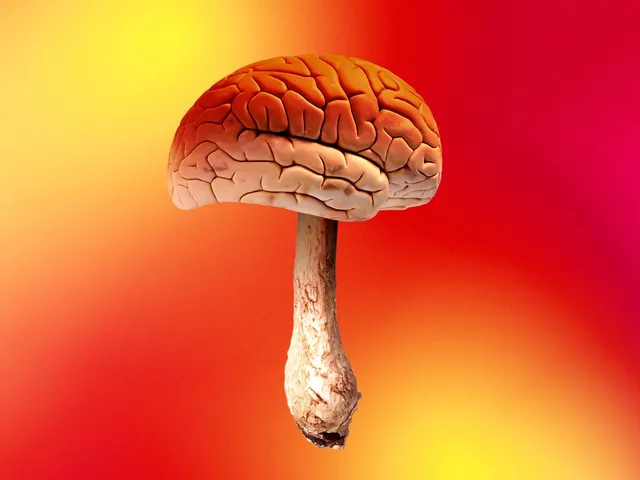
Depression is associated with rigid patterns of negative thinking and altered brain connectivity. Psilocybin appears to temporarily change how different brain networks communicate.
1. Reduced Default Mode Network (DMN) Activity
The default mode network (DMN) is linked to self-referential thinking and rumination — both common in depression.
Research suggests psilocybin reduces activity in the DMN, which may:
- Decrease repetitive negative thought loops
- Increase cognitive flexibility
- Help patients gain new emotional perspectives
2. Increased Neural Connectivity
Brain imaging studies show psilocybin may temporarily increase communication between regions of the brain that don’t typically interact.
Researchers at Imperial College London found that this “reset-like” effect may help disrupt rigid depressive patterns.
Learn more about psychedelic research:
https://www.imperial.ac.uk/
3. Emotional Processing & Insight
Many participants in clinical trials report:
- Heightened emotional awareness
- Increased openness
- Greater self-compassion
In therapy, these experiences can help individuals process trauma, grief, or long-standing emotional conflicts.
Studies from Johns Hopkins University have shown promising reductions in depressive symptoms following guided sessions.
Explore clinical research:
https://clinicaltrials.gov/
What the Clinical Evidence Shows
While psilocybin therapy is still considered experimental in many regions, early studies suggest:
- Rapid symptom reduction after one or two sessions
- Sustained improvement lasting weeks or months
- Potential benefits for treatment-resistant depression
However, larger phase 3 trials are ongoing to confirm safety and long-term effectiveness.
For updates on mental health research, visit:
National Institute of Mental Health (NIMH)
https://www.nimh.nih.gov/
What a Psilocybin Therapy Session Looks Like
A typical model includes:
Preparation
Therapists build trust, assess mental health history, and set intentions.
Dosing Session
- Conducted in a calm, supervised environment
- The participant may use eyeshades and music
- One or two trained facilitators remain present
The experience typically lasts 4–8 hours.
Integration
Follow-up sessions help translate insights into lasting behavioral change.
Integration is often considered the key to long-term benefit.
How It Differs from Traditional Antidepressants
Traditional antidepressants (such as SSRIs) are taken daily and work gradually.
Psilocybin therapy differs because:
- It may involve only one or two sessions
- Effects can emerge rapidly
- Psychological insight plays a central role
Researchers are still studying how these approaches compare long term.
Safety Considerations
Psilocybin therapy is not appropriate for everyone. Clinical screening is essential.
Potential risks include:
- Temporary anxiety or distress during the session
- Elevated heart rate and blood pressure
- Increased risk for individuals with psychotic disorders
Supervision by trained professionals significantly reduces risk compared to unsupervised use.
For regulatory updates, consult official government health agencies.
Is Psilocybin Therapy Legal for Depression?
Legality varies by region.
For example:
- Canada allows limited access through federal exemptions.
- Oregon has implemented a regulated psilocybin services program.
In most countries, psilocybin remains a controlled substance outside research settings.
The Future of Psilocybin Therapy for Depression
Psilocybin therapy represents one of the most studied psychedelic treatments in modern psychiatry. Ongoing phase 3 clinical trials will determine whether it becomes an approved treatment for depression in the coming years.
While early results are promising, it remains:
- Highly regulated
- Clinically supervised
- Not a first-line treatment
- Still under scientific evaluation
Key Takeaway
Psilocybin therapy for depression works by temporarily altering brain connectivity, reducing rigid negative thought patterns, and enhancing emotional processing within a structured therapeutic framework.
Research is ongoing, and access remains regulated — but it is one of the most closely watched developments in modern mental health treatment.
